5 Tips for Practicing Your Dance Moves at Home (Even in a Small Toronto Condo!)
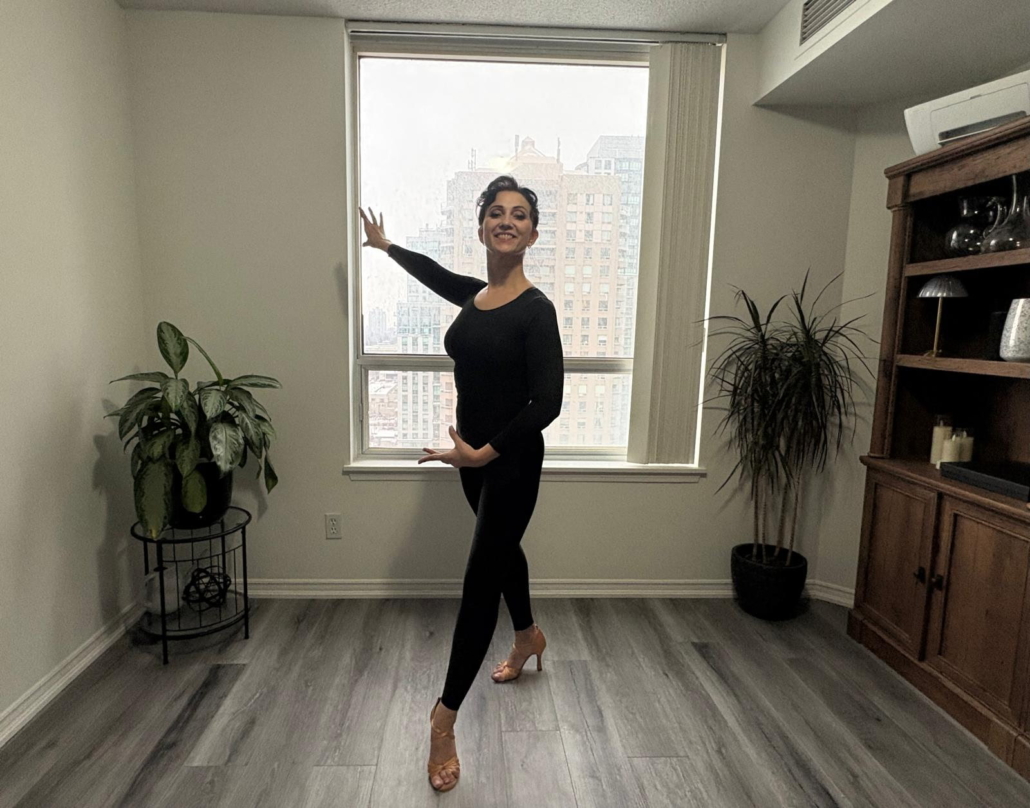
Living in the GTA often means making a compromise between location and square footage. If you are one of the many residents enjoying the skyline views from a cozy high-rise, you know that space is a premium commodity. For aspiring dancers, this presents a unique challenge.
How do you practice your Foxtrot or Cha-Cha when your living room also doubles as your dining room and home office?
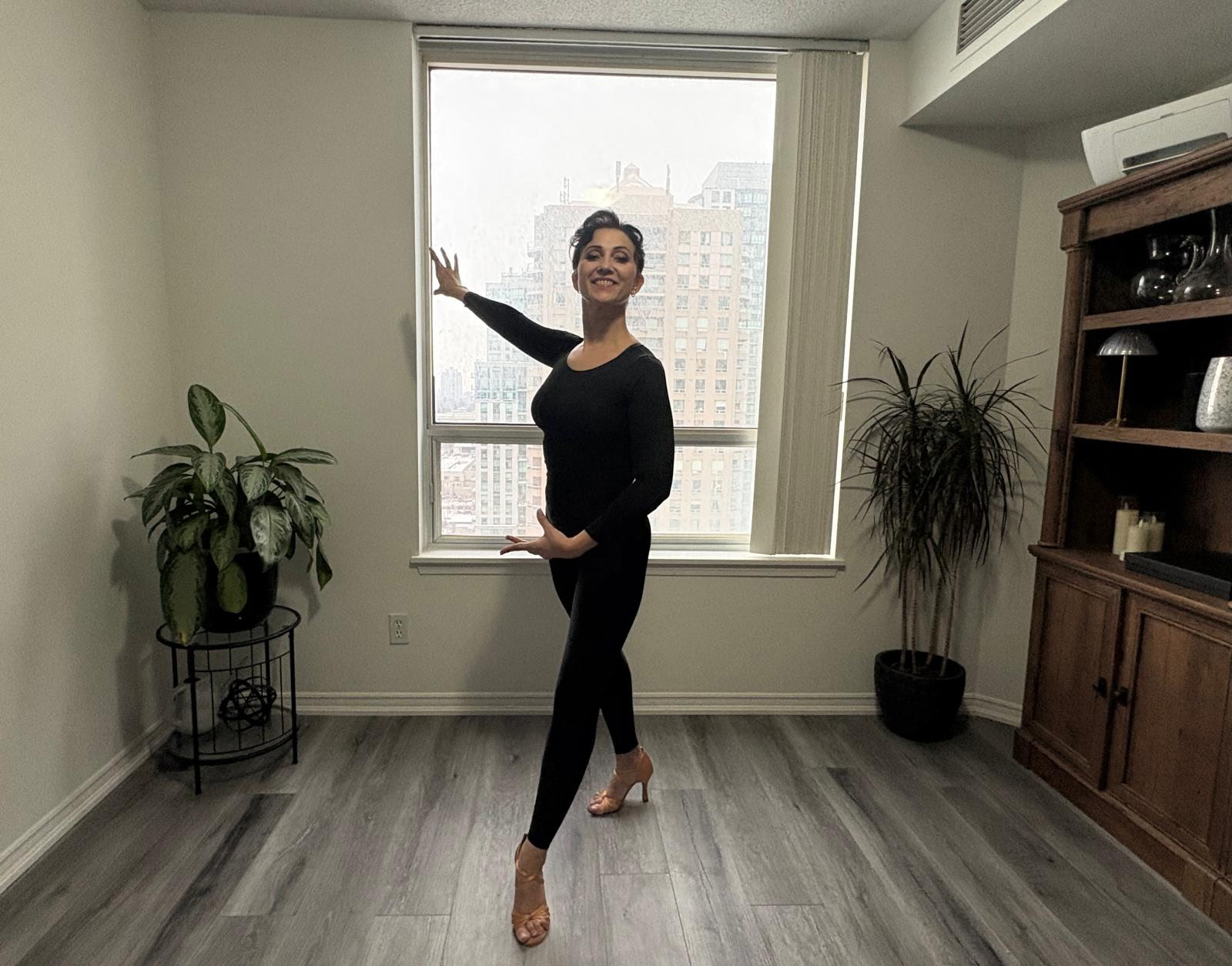
It is a common misconception that you need a sprawling, empty hall to improve your dancing. While there is no substitute for the expansive floors of our professional ballroom dance classes in Toronto and North York, your home practice is where the real muscle memory is built.
In fact, a smaller space can actually be an advantage – it forces you to focus on technique, balance, and control rather than just relying on momentum.
Whether you are preparing for a wedding dance, looking for a fun fitness outlet, or taking ballroom dance lessons to meet new people, don’t let your square footage limit your potential. Here are five practical tips for turning your compact Toronto condo into a functional dance studio.
- The “Snow Angel” Rule and the Furniture Shuffle The first hurdle is physical space.
You might look at your living area and think, “I can barely walk to the kitchen, let alone Waltz.” However, you don’t need a full regulation-size floor to practice effectively.
A good rule of thumb is the “Snow Angel” test. If you have enough floor space to lie down and make a snow angel without hitting a wall or a sofa, you have enough room to practice your stationary basics.
To maximize this, you may need to do the “condo shuffle.” This might mean pushing the coffee table against the wall or sliding the ottoman under the desk for 20 minutes. Look for “dead space” you might be ignoring – perhaps a hallway or the space near the entryway.
Pro Tip: If you have an open-concept kitchen, the laminate or tile floor is often the best surface for dancing. It allows for the necessary slide and rotation that carpet prevents. Just be careful of the transition strips between rooms!
- Focus on “Micro-Drills” Instead of Travelling Steps
When you are in a studio taking ballroom dance classes, you have the luxury of travelling around the perimeter of the room. At home, trying to dance a full routine will only result in bruised shins and frustrated neighbours. Instead, shift your focus to “micro-drills.”
Micro-drills are small, repetitive movements that isolate specific techniques. For example:
- The Box Step: The foundation of the Waltz and Rumba. It can be performed in an area less than 3×3 feet. Focus on the quality of the movement – the rise and fall in the Waltz, or the hip action (Cuban motion) in the Rumba – rather than how much ground you cover.
- Balance Exercises: Practice standing on one leg while maintaining your dance frame. This requires zero horizontal space but significantly improves your core strength and stability.
- Spot Turns: Practice your spins and turns in place. This is excellent for improving your spotting technique (whipping your head around to prevent dizziness) and maintaining your axis.
By refining these small elements in a confined space, you will find that your movement becomes much more powerful and controlled when you finally return to the large studio floor.
- Utilize Your Reflections (The Sliding Door Hack)
One advantage of many modern Toronto condos is the abundance of glass. Mirrored sliding closet doors, large entryway mirrors, or even reflections in a dark window at night can serve as valuable tools for self-correction.
In professional dance lessons, your instructor gives you feedback. At home, the mirror is your instructor. Stand in front of your reflection and check your “frame” – the position of your arms and upper body. Are your shoulders raised? Is your head upright? Is your back straight?
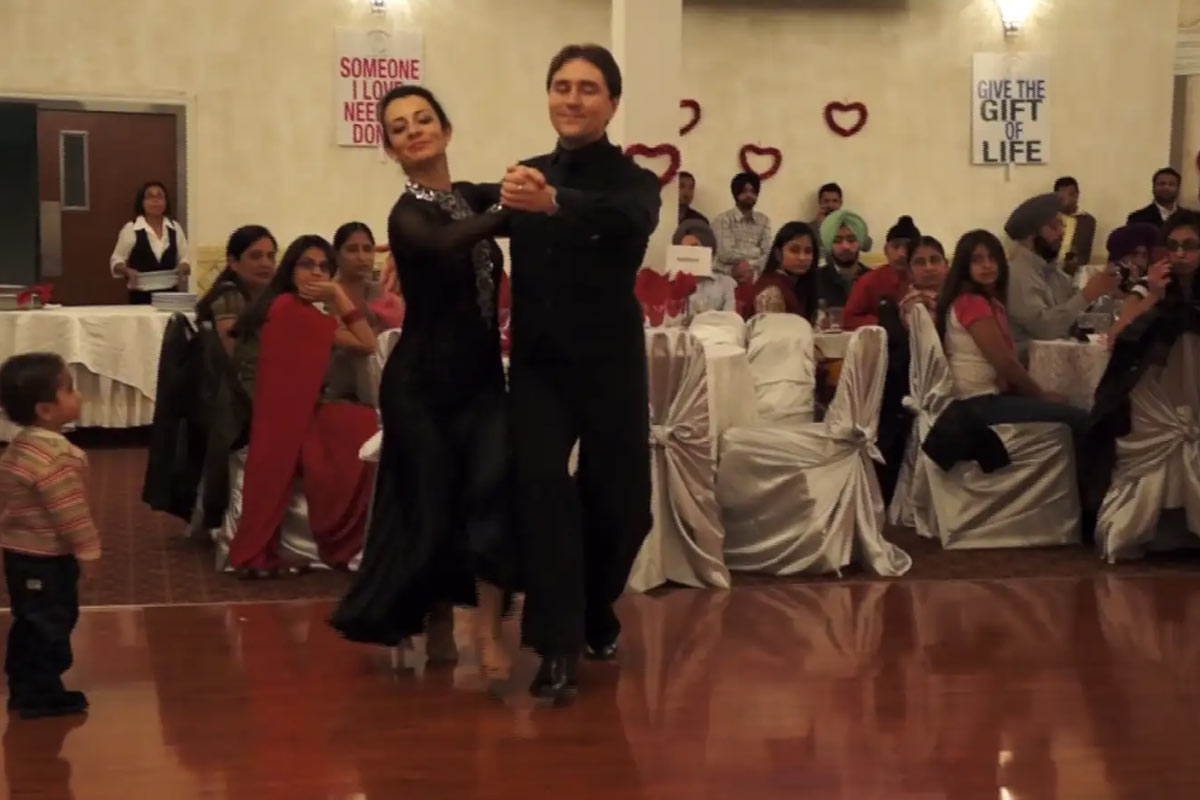
If you don’t have a full-length mirror, use your technology. Prop your smartphone up on a shelf and record yourself dancing for 30 seconds. Watching the playback can be eye-opening. You
might feel upright, but the video may show you leaning forward. This visual feedback loop is critical for rapid improvement.
- The “Sock Strategy” and Noise Control
One of the biggest anxieties for condo dwellers is the noise. You don’t want to be the neighbour stomping on the ceiling at 9:00 PM. This is where your choice of footwear becomes a tactical decision.
While you should eventually practice in your dress shoes, practicing in thick socks can help keep the peace with your downstairs neighbours while also working on your foot technique. Socks force you to use your muscles to grip the floor and maintain balance, as they offer less friction than rubber soles but more slip than bare feet.
However, be cautious: socks on polished wood or laminate can be slippery. Use this to your advantage to practice “gliding” steps in smooth dances like the Foxtrot, but be careful with sharp turns. If you have carpet, try dancing in your socks to prevent your shoes from getting stuck in the fibres, which can twist your knees.
- Mental Practice on the TTC
Believe it or not, some of your best practice time can happen when you aren’t moving at all. Visualization, or mental rehearsal, is a technique used by Olympic athletes and professional dancers alike.
During your commute on the subway or streetcar, close your eyes and visualize your routine. Don’t just “watch” yourself in your mind – try to “feel” the movement. Imagine the sensation of shifting your weight, the rhythm of the music, and the connection with your partner.
This mental work strengthens the neural pathways in your brain associated with those movements. When you physically practice next, you’ll be surprised at how much smoother the steps feel.
You can also use this time to listen to ballroom music playlists to internalize the different rhythms – learning to distinguish a Cha-Cha beat from a Salsa beat is half the battle!
Why You Still Need Professional Guidance
While home practice is essential, it cannot replace professional instruction. Bad habits formed in a living room can be hard to break. To truly progress, you need the hands-on guidance of an experienced instructor who can correct your posture, lead, and follow.
If you are looking for a supportive, mature, and relaxed environment to learn, Dancingland Dance Studio in North York is the perfect place to start. We specialize in making beginners feel comfortable and confident, ensuring that your transition from the condo living room to the dance floor is seamless.
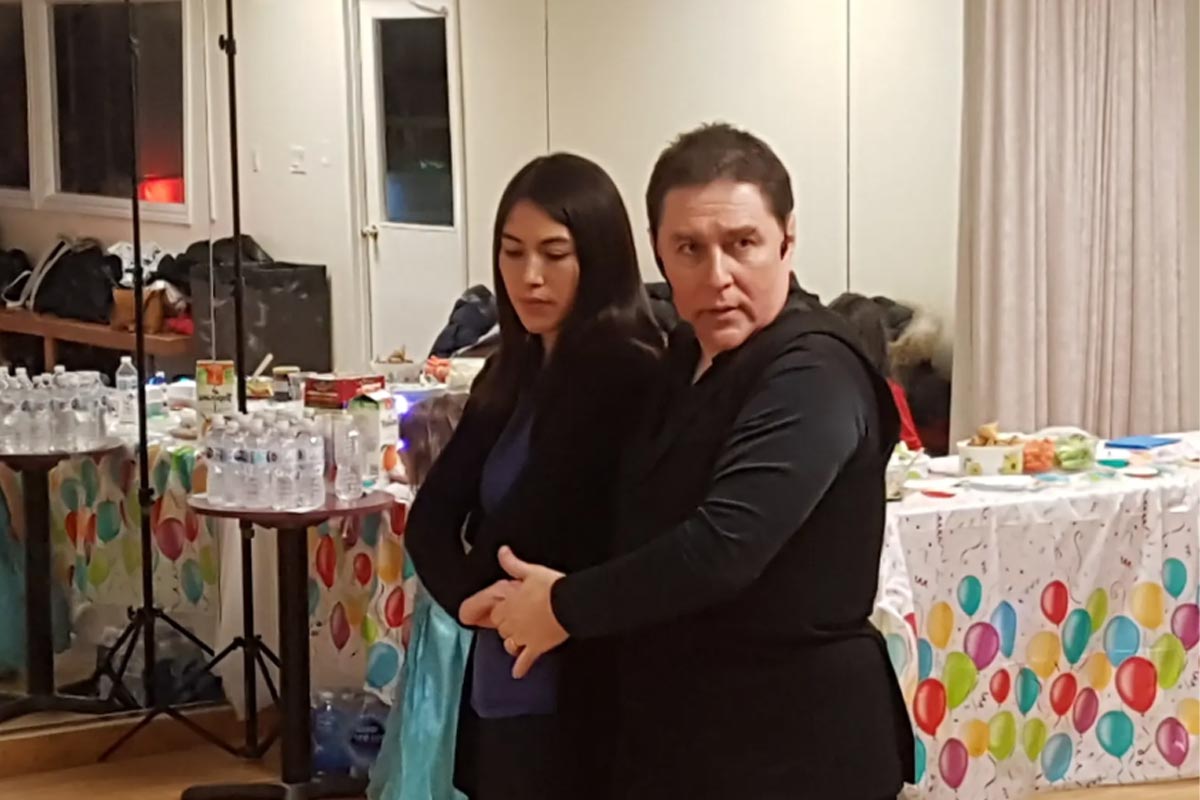
Ready to Step Out of the Condo and Onto the Dance Floor?
Take your home practice to the next level with professional guidance. Dancingland Dance Studio invites you to experience the joy of dance with a special offer for new students.
Call 416-358-5595 today to book a FREE first 45-minute private lesson. Whether you are a complete beginner or looking to brush up on your skills, their expert instructors will help you find your rhythm in a fun and welcoming atmosphere. Don’t just dream about dancing – make it a reality!