Why It’s Never Too Late to Learn Ballroom Dancing
A widespread but false idea about ballroom dancing is that it is strictly an activity for the young. Many people mistakenly believe that becoming a proficient dancer requires starting early in life. This notion often prevents individuals from pursuing a passion they have long held, assuming their time has already passed. The reality is quite the opposite. Age is simply a numerical value, and the rewards of learning to ballroom dance are available to everyone, no matter their stage of life. This pursuit offers a lifelong skill, bringing with it immense happiness and personal satisfaction.
The Benefits of Ballroom Dancing
- Improved Physical Health. Engaging in regular ballroom dancing sessions contributes significantly to cardiovascular health. It strengthens the heart and improves circulation. The activity also enhances muscular strength and endurance, especially in the legs and core. Older adults’ ballroom dancing sessions are particularly effective for weight management and flexibility. Consistent movement helps maintain joint mobility and reduces stiffness, which is crucial for maintaining independence as one ages.
- Enhanced Mental Acuity. The mental demands of ballroom dancing are considerable. It requires dancers to memorize complex routines, anticipate their partner’s movements, and coordinate their own steps in real-time. This cognitive effort acts as a powerful workout for the brain. A study published in The New England Journal of Medicine have shown that complex physical-cognitive activities, like dancing, can reduce the risk of dementia.
- Social Connection and Community. Ballroom dancing is inherently a social activity. It provides a structured and welcoming environment for meeting new people and forming meaningful connections. For many, especially those who may have experienced social isolation, this a way to re-engage with the world. The bonds formed on the dance floor can lead to lasting friendships and a strong sense of community.
- Stress Reduction and Mood Improvement. The combination of physical activity and the creative expression involved in dancing is a powerful antidote to stress. The concentration required during a dance often makes it difficult to focus on daily worries. Furthermore, physical exertion releases endorphins, the body’s natural mood-lifting chemicals. Regular participation can lead to a sustained sense of well-being and happiness.
- Better Balance and Posture. A core focus of ballroom dancing is maintaining proper posture and balance. Dancers learn to hold themselves upright and centred, which translates to better posture in everyday life. The constant weight shifting and turning movements also significantly improve balance, a critical skill for preventing falls, particularly in older individuals.
- Enhanced Self-Confidence. Successfully mastering a new dance and performing it with a partner can greatly boost one’s self-esteem. Overcoming initial shyness and physical awkwardness to move with grace and confidence is a truly empowering experience. Each small success builds upon the last, leading to a profound sense of accomplishment. This confidence often extends beyond the dance floor, affecting other areas of life.
Busting Common Myths

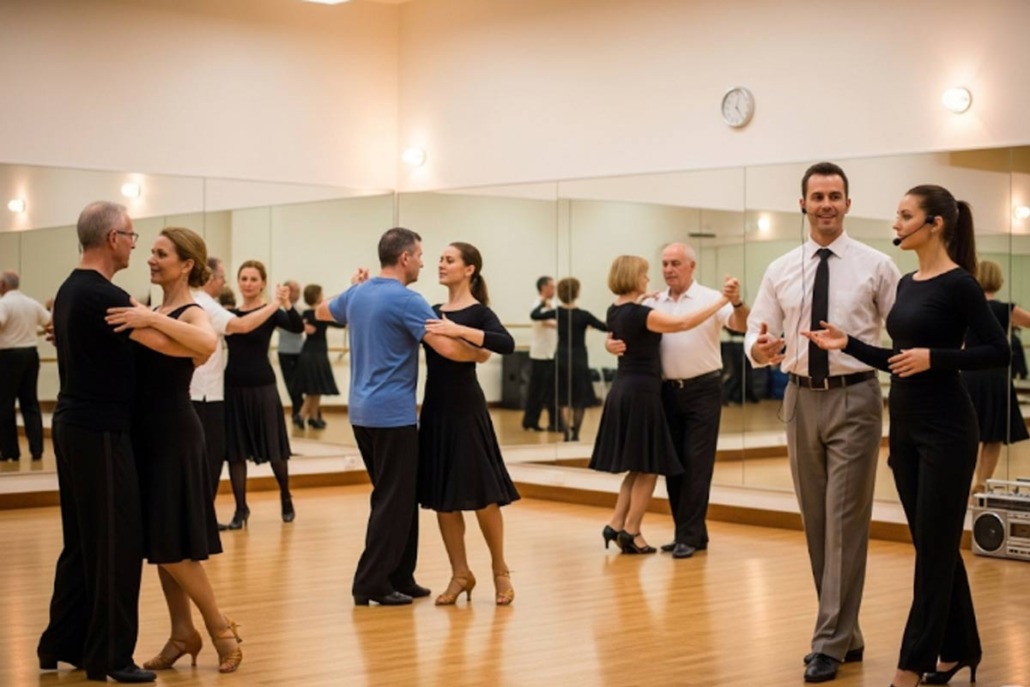
- Myth: You Need a Partner to Start. Many believe they must have a partner before they can sign up for a class. This is not the case. Most dance studios, including those offering ballroom dancing for adults, welcome single participants. Instructors often pair up students in class, and partners are rotated regularly. This approach not only ensures everyone gets to dance but also allows people to practice with different partners, which improves leading and following skills.
- Myth: You Must Be Naturally Rhythmic. Another widespread myth is that a person must be born with a natural sense of rhythm to be a good dancer. While some people may have a natural aptitude, rhythm is a skill that can be taught and developed with practice. Ballroom dancing lessons for beginners are specifically designed to teach the fundamentals of timing and musicality. Patience and consistent effort are far more important than any innate ability.
- Myth: It’s Only for Formal Events. Some individuals think ballroom dancing is only relevant for grand events like weddings or galas. While it is perfect for such occasions, its true value lies in everyday enjoyment and personal fulfilment. The skills acquired can be used at social gatherings, cruises, or simply for an evening of fun. Ballroom dance for exercise is a popular and less formal way to use these skills.
- Myth: You Have to Wear Fancy Outfits. The mental image of ballroom dancing often includes elegant dresses and tuxedos. For beginner and intermediate classes, this is simply not the reality. The dress code is usually casual and comfortable, allowing for a full range of movement. Loose-fitting clothing and supportive shoes are typically all that is required for ballroom dance classes for beginners. The focus is on movement, not fashion.
- Myth: It’s Too Hard to Learn as You Get Older. The belief that older brains and bodies cannot absorb new physical skills is a powerful deterrent. However, this is untrue. While it might take a bit more time to master new steps, adults have a unique advantage: life experience and patience. An article in the Globe and Mail highlighted how older Canadians are embracing activities like dance, finding that their accumulated knowledge and a willingness to persevere make them dedicated and successful students.
Getting Started: Your First Steps

- Find the Right Studio. The first thing to do is find a local dance studio that offers classes for beginners. Look for an establishment with a welcoming atmosphere and instructors who are patient and encouraging. Many studios provide introductory workshops or a single drop-in class. This allows you to experience the teaching style before committing to a full course. Check for ballroom dance classes for seniors or similar programs.
- Wear Appropriate Attire. Dress comfortably for your first class. Choose clothes that allow for free movement. For footwear, opt for something supportive with a non-marking sole. Many people start with a simple sneaker or a flat shoe. As you progress, you might consider investing in proper dance shoes, which are designed for turning and sliding on a dance floor.
- Be Patient with Yourself. Learning any new skill takes time. Do not expect to be a perfect dancer after the first lesson. There will be moments of confusion and frustration, but that is a normal part of the process. Celebrate small victories, like successfully completing a new step. Consistency is more important than immediate perfection. This is true for all types of adult dance classes.
- Set Realistic Goals. Avoid comparing your progress to others. Focus on your personal journey. Your goal might be to feel confident enough to dance at a wedding, to meet new people, or simply to get some exercise. Setting achievable goals will keep you motivated and make the experience more enjoyable.
- Embrace the Social Side. Remember that a big part of ballroom dancing is connecting with others. Do not be afraid to talk to your classmates and your instructor. Make an effort to get to know your fellow dancers. The social bonds you form can be just as rewarding as the dancing itself. This community aspect makes ballroom dancing for older adults a very special experience.
The belief that ballroom dancing is only for the young is a myth that prevents many from experiencing its significant benefits. From physical health to mental acuity and social connection, the advantages of this activity are numerous and available to everyone, regardless of age.
If you have been thinking about it but felt it was too late, now is the time to change that mindset. Take the first step and let the music guide you. For those in the Toronto area ready to start their dance journey, contact Dancingland Dance Studio at (416) 358-5595.