What to Wear to Dance Class: A Guide to Comfort, Style, and Function
Stepping onto the dance floor for the first time is an exhilarating mix of excitement and nerves. Whether you have been inspired by a television show, are preparing for a wedding, or simply want to try a new hobby, the first question most new students ask is:
“What should I wear?”
While you don’t need a professional costume to start learning, your choice of clothing plays a pivotal role in your success.
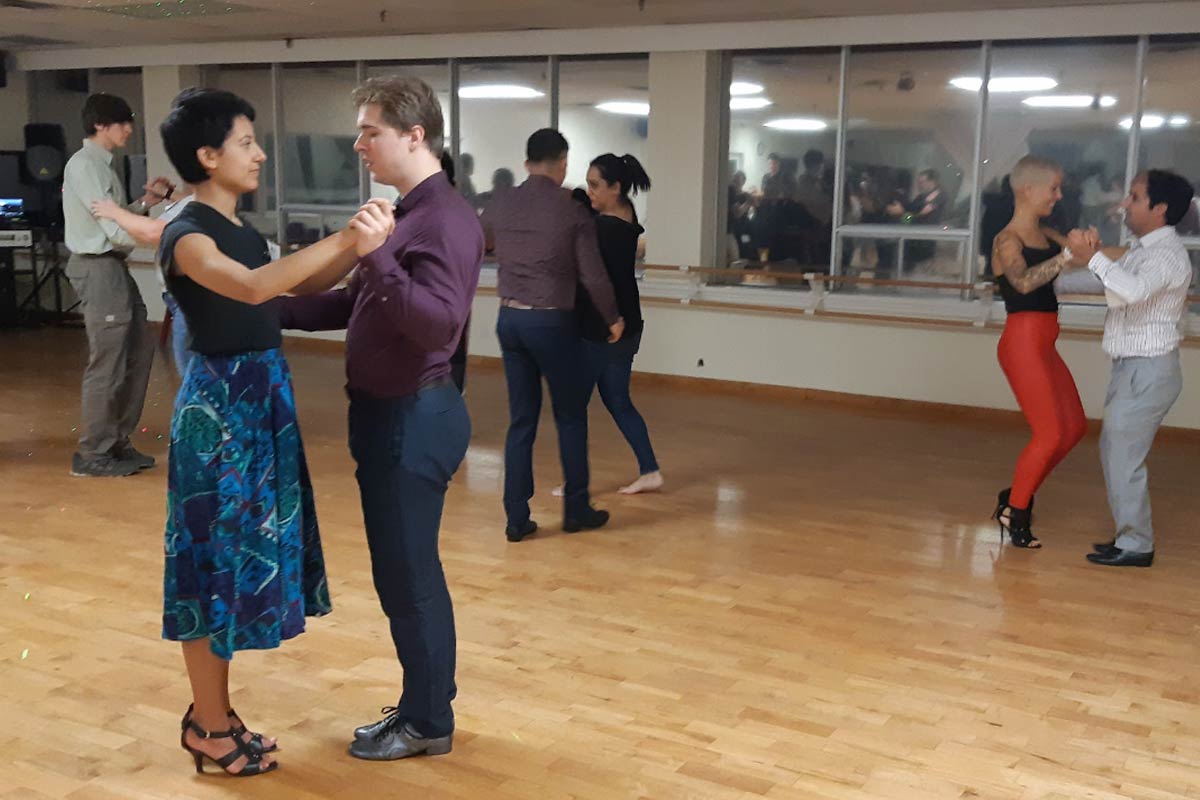
The right attire allows you to move freely, helps your instructor see your body lines, and keeps you comfortable as you break a sweat. If you are preparing for our ballroom dance classes in Toronto and North York, knowing how to dress for both the studio environment and the changing seasons is key to a great experience.
This guide will walk you through everything you need to know about balancing comfort, style, and function for your next lesson.
- Prioritize Movement and Function
The golden rule of dance practice is simple: if you can’t move in it, you shouldn’t dance in it.
Ballroom and Latin dancing involve reaching, twisting, bending, and stepping backward. Your clothing should facilitate these movements, not restrict them.
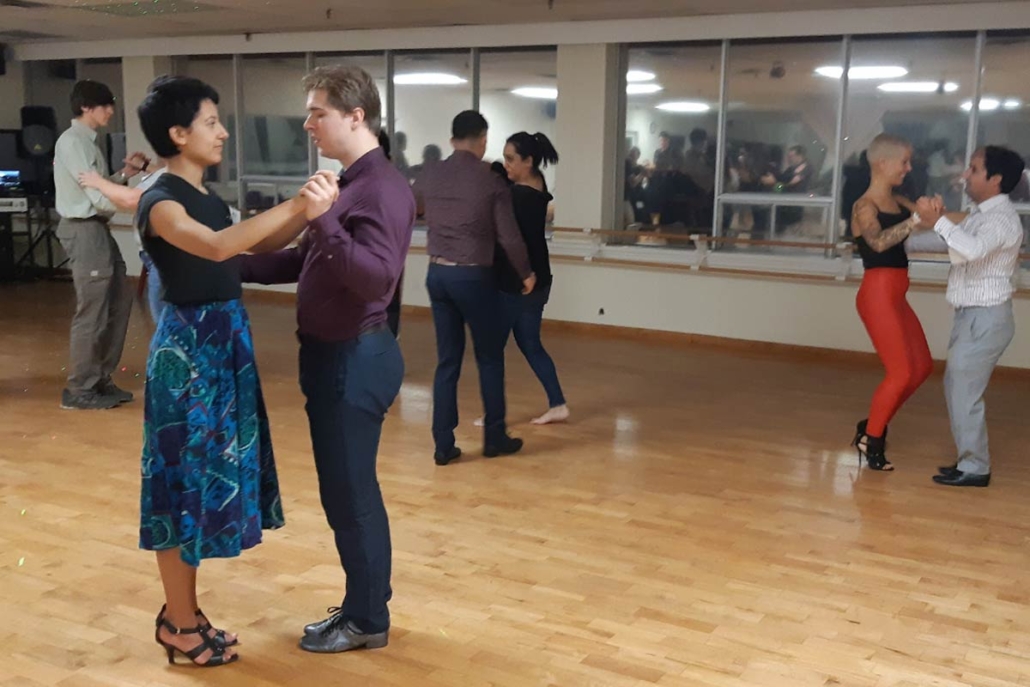
- For the upper body, choose tops that allow a full arm range of motion. When you hold a dance frame, your elbows will be lifted. Avoid stiff button-down shirts that cut into your armpits or sleeves that restrict your shoulders. Fitted T-shirts, stretchy blouses, or breathable athletic tops are excellent choices.
- For the lower body: You need to be able to take long strides without risking a rip in your clothing. For men, dress trousers with a bit of stretch or comfortable slacks are ideal. For women, leggings, yoga pants, or a skirt that falls just above or below the knee work well. If you choose a skirt, ensure it is flowy enough to allow for leg movement but not so long that you might trip over the hem.
- Choose the Right Footwear
Your shoes are the most critical piece of equipment you will own as a dancer. Dancing in the wrong shoes can lead to knee pain, ankle instability, and bad habits.
- Avoid rubber soles. Sneakers with heavy tread or rubber soles are designed to grip the pavement. On a dance floor, however, too much grip can cause your foot to stick while your body tries to turn, potentially twisting your knee.
- The ideal sole. Suede or leather soles are preferred because they provide the perfect balance of “slip and grip” – enough slide to pivot effortlessly, but enough traction to stop you from falling.
- Heel height. Beginners should not feel pressured to wear high heels immediately. A lower practice heel or even flat shoes are perfectly acceptable while you learn the basics of balance. If you do wear heels, ensure they are securely strapped to your ankles. Slip-on pumps or mules are dangerous on the dance floor.
- Dance shoes. After a while, your dance level will increase, and you will understand actual dance shoes. Ask your dance instructor for an explanation and examples of the details of dance shoes.
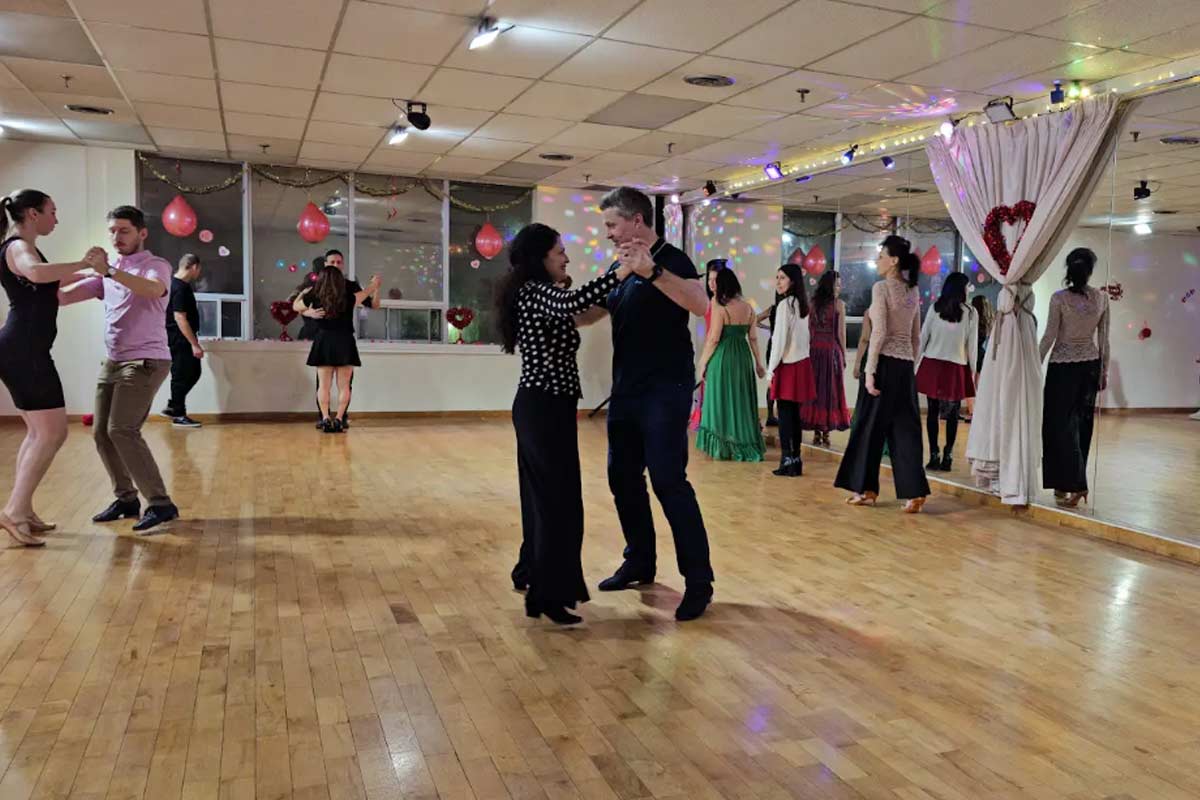
Taking lessons with a partner adds a social dynamic to your outfit choices. When attending couples dance lessons, you aren’t just dressing for yourself – you are dressing for the comfort and safety of your dance partner.
- Hygiene and scent. Dancing is a close-contact activity. Freshly laundered clothes are a must. Avoid heavy perfumes or colognes, as strong scents can be overwhelming in a close embrace; also, some people have allergies to perfumes.
- Accessories and safety. Be mindful of jewelry. Long necklaces, rings with elaborate stones and embellishments, large hoop earrings, or chunky watches can get caught on your partner’s clothing or scratch them during turns. It is best to remove loose jewelry before class begins.
- Coordinating styles. While certainly not required, many couples enjoy coordinating their outfits slightly – perhaps matching colours or formality levels. This can make the lesson feel like a special “date night,” enhancing the overall experience.
- Adapting to the Environment
If you are attending classes in the Greater Toronto Area, you are likely familiar with the unpredictable weather. Layering is your best friend. Dance studios are often kept cool to accommodate moving bodies, but you will warm up quickly once the music starts.
Wear a light jacket, cardigan, or wrap that is easy to remove. This allows you to stay warm during the warm-up phase and cool down comfortably afterward without stepping out into the North York chill completely unprotected.
Please remember that you can change at the studio. After the dance class, your clothes may be wet, and going outdoors in wet clothes can lead to illness. Make sure to bring a change of clothes to change into after your dance lesson.
- Confidence Is Key
Ultimately, the best outfit is one that makes you feel confident.
Some students prefer the athletic look of yoga wear because it makes them feel ready for a workout, usually in Salsa and Bachata dance classes. Others prefer “business casual” – slacks and a polo or a nice blouse – because it puts them in a mindset of elegance and sophistication, which is perfect for the Waltz or Foxtrot.
If you feel good in what you are wearing, that confidence will translate into your posture and your movement. Don’t be afraid to express your personal style, provided it meets the functional requirements of the dance.
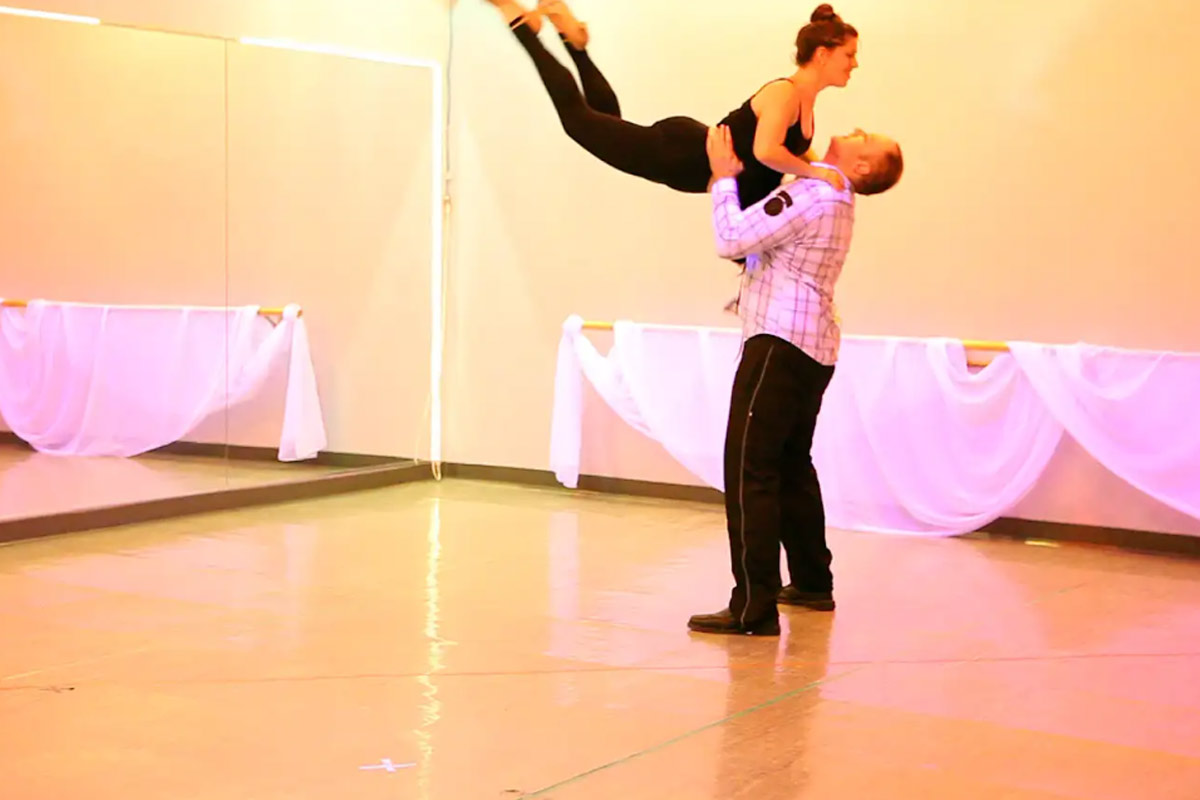
Now that you know what to wear, the only thing missing is the music. Whether you want to master the Tango, glide through a Waltz, or have fun with Salsa, the right guidance makes all the difference.
Dancingland Dance Studio is the premier destination for adult social dance education and training. Located conveniently for residents of Toronto and North York, we specialize in making beginners feel comfortable and have fun, no matter your skill level!
Call us today at 416-358-5595.